
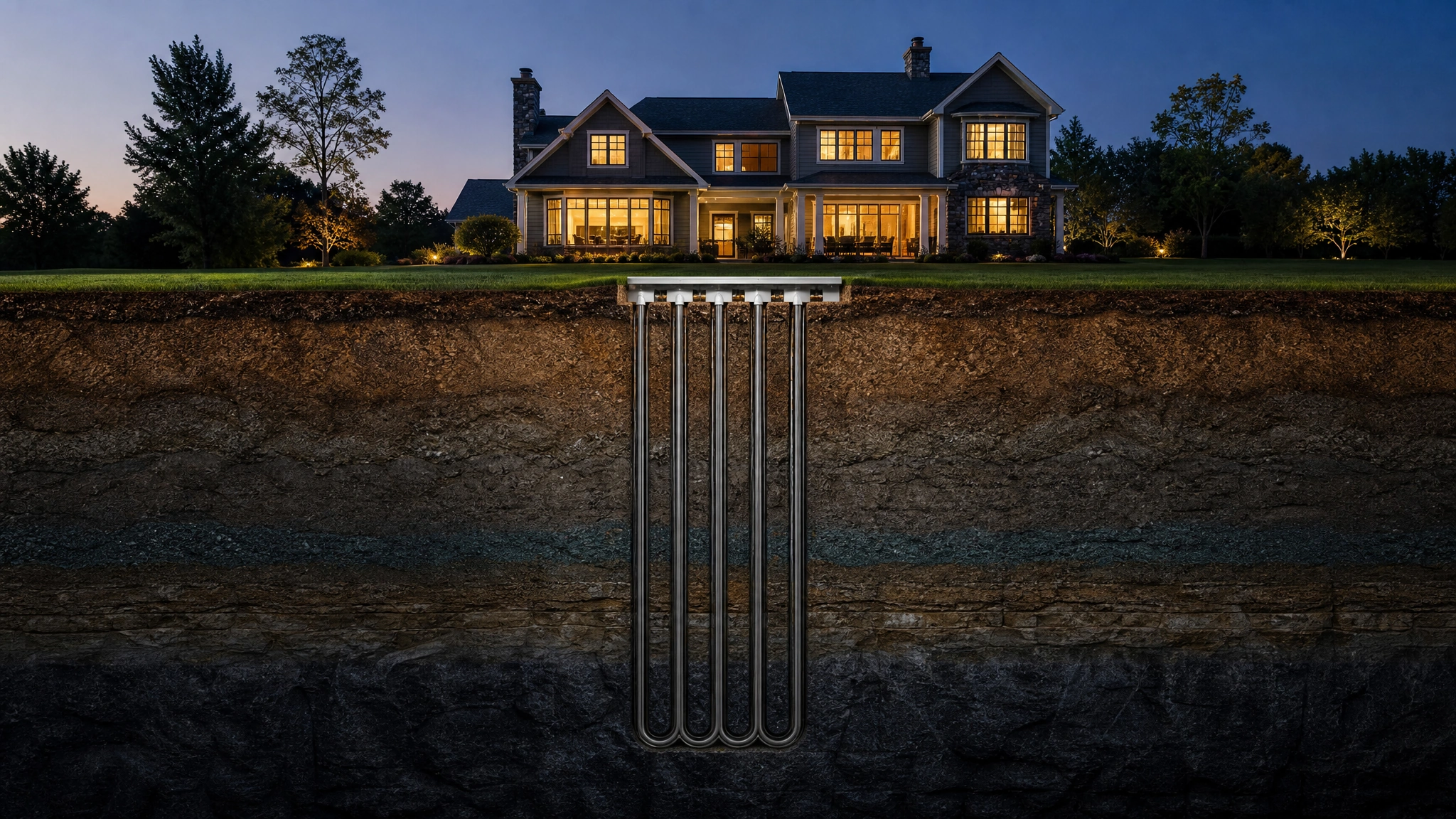
Benefits of Geothermal Energy for Homeowners: The Complete Guide
With energy costs on the rise and more people becoming aware of environmental issues, homeowners all over the U.S. are looking for smarter, eco-friendly ways to heat and cool their homes. Geothermal heating and cooling has become one of the most appealing options out there — providing a mix of energy efficiency, environmental care, comfort, and financial benefits that you just won’t find with other HVAC technologies.
So, what are the real perks of choosing geothermal? In this detailed guide, we’ll dive into all the advantages geothermal energy brings to homeowners, from the obvious savings on energy bills to some lesser-known benefits that are making this technology a favorite for both new builds and renovations.
1. Dramatically Lower Energy Bills
One of the most noticeable perks of geothermal energy is the big drop in your monthly utility bills. Geothermal heat pumps are the most efficient heating and cooling option out there, running at 300–500% efficiency. In simple terms, for every dollar you spend on electricity to power a geothermal system, you get back three to five dollars' worth of heating or cooling energy.
The average American household spends around $2,000–$2,500 each year on heating and cooling with traditional systems. Homeowners who make the switch to geothermal usually see their heating and cooling costs cut by 40–70%, which means saving between $800 and $1,750 every year. Over the 25-year lifespan of the indoor heat pump, those savings can really add up to $20,000–$43,000 or even more, depending on local energy prices and climate.
These savings become even more impressive in areas with extreme weather—where heating or cooling needs are at their highest, geothermal's efficiency really stands out compared to conventional systems. Take the cold Northeast, for instance; homeowners who switch from oil or propane heating to geothermal can save over $2,500 a year.
Why Is It So Efficient?
Traditional heating systems generate heat by burning fuel (like gas furnaces) or converting electricity directly into heat (like electric resistance heating). Even the best gas furnace can only convert about 96% of the fuel into heat. On the flip side, geothermal systems don’t actually create heat—they move existing heat from the ground into your home. Since moving heat takes way less energy than generating it, that’s why geothermal systems can achieve those amazing 300–500% efficiency ratings.
2. Reduced Environmental Impact
Geothermal heating and cooling is one of the most eco-friendly technologies out there for homeowners. The environmental perks are significant and come in many forms:
Lower Carbon Emissions
A geothermal system produces far fewer greenhouse gas emissions than any heating system that relies on fossil fuels. According to the EPA, geothermal heat pumps can cut energy use — and the emissions that come with it — by as much as 72% when compared to typical air-conditioning units and electric resistance heating. When you look at gas furnaces, geothermal systems completely eliminate on-site combustion, which means there are no carbon monoxide, nitrogen oxides, or carbon dioxide emissions coming from your home.
No On-Site Combustion
Since geothermal systems run on electricity and don’t burn any fuel, there are zero on-site emissions. That means no gas lines, no fuel tanks, no exhaust flues, and no combustion byproducts. This not only helps shrink your carbon footprint but also gets rid of the risk of carbon monoxide poisoning and lowers fire hazards tied to fuel-burning equipment.
Renewable Energy Source
The thermal energy stored in the earth is constantly replenished by solar radiation. Unlike fossil fuels, which are limited and depleting, the earth's thermal energy is basically unlimited and free. A well-designed geothermal system keeps a sustainable thermal balance with the surrounding ground for the long haul, so the energy source never runs out.
Pairs Perfectly with Solar
If you’re a homeowner aiming for net-zero energy, geothermal energy works great alongside rooftop solar panels. Since geothermal is highly efficient, the small amount of electricity needed for the heat pump can often be completely covered by a modest solar array. This combo can bring your overall home energy costs close to zero and nearly wipe out your household's carbon footprint.
3. Increased Home Value
When you invest in geothermal energy, you’re not just cutting down on utility bills — you’re also boosting your home's resale value. Numerous studies show that homes equipped with geothermal systems tend to sell for more than similar ones with traditional HVAC systems:
- A study in The Appraisal Journal found that home values rise by about $20 for every $1 reduction in annual energy costs. So, if a geothermal system saves you $1,500 a year, that could mean a $30,000 bump in your home’s value.
- The National Association of Realtors highlights that energy efficiency is a top feature for buyers, with many willing to pay a premium for homes that have lower operating costs.
- More and more real estate appraisers are seeing geothermal systems as premium home upgrades that warrant higher valuations, especially as energy prices keep climbing.
This increase in value means that a geothermal system can really pay for itself through added home equity, even before considering the ongoing energy savings.
4. Superior Indoor Comfort
Besides the financial and environmental perks, geothermal systems really offer a remarkably better level of indoor comfort than traditional HVAC systems:
Even, Consistent Temperatures
Geothermal systems deliver impressively consistent heating and cooling throughout your home. Unlike gas furnaces that can blast hot air in short, intense bursts—causing temperature swings of 4–6°F—geothermal heat pumps provide warm air more steadily and at moderate temperatures. This keeps indoor temps within 1–2°F of the thermostat setting, which means you won't experience those uncomfortable "hot then cold" cycles typical of conventional systems.
Better Humidity Control
Geothermal systems are great at handling humidity. During the cooling season, they pull more moisture from the air than standard air conditioners, making your indoor space a lot more comfortable. Many homeowners find that their homes feel significantly more comfortable at higher thermostat settings after switching to geothermal—allowing them to set the thermostat at 76°F instead of 72°F while still feeling just as comfy, which also helps cut down on energy use.
Whisper-Quiet Operation
One of the most delightful surprises for new geothermal owners is just how incredibly quiet the system runs. Since there’s no outdoor condenser unit (the noisy box typical of conventional homes), you won’t have to deal with exterior noise pollution at all. The indoor unit operates at noise levels similar to a refrigerator—usually around 45–50 decibels, which is barely noticeable in a quiet room. This is a huge improvement over the 72+ decibels produced by regular outdoor AC condensers.
5. Exceptional Reliability and Longevity
You’ll find that geothermal systems are some of the most reliable and long-lasting HVAC technologies out there:
Fewer Mechanical Components
Since there’s no outdoor unit exposed to the elements, no combustion equipment, and fewer overall components than a traditional furnace-plus-AC setup, there are just fewer things that can break. The indoor heat pump unit mainly has a compressor, a few fans, and heat exchangers — that’s pretty much it.
Protected from the Elements
All the mechanical parts are kept indoors, shielded from rain, snow, ice, extreme heat, hail, and UV degradation. This really boosts the lifespan of the components compared to outdoor HVAC systems. There’s no outdoor condenser coil to rust, no outdoor fan motor to fail, and no outdoor electrical connections to suffer from the weather.
Extended Equipment Life
The indoor heat pump unit usually lasts 20–25 years — that’s quite a bit longer than the 12–15 year average lifespan of a conventional central air conditioner, and it’s on par with a high-quality gas furnace. Plus, the underground ground loop has no moving parts and is protected from weather, giving it a lifespan of over 50 years. When the time comes to replace the indoor unit, you can easily connect the existing ground loop to a new heat pump, saving you tens of thousands of dollars on future system upgrades.
6. Lower Maintenance Requirements
Geothermal systems need way less maintenance than traditional HVAC systems:
- No outdoor unit maintenance: You won't have to clean any condenser coils, straighten outdoor fins, or install debris guards.
- No combustion-related maintenance: Forget about annual furnace checks for gas leaks or cracked heat exchangers, chimney cleanings, or fuel line inspections.
- Simple routine care: Most of the upkeep just involves changing air filters (like any forced-air system), checking refrigerant levels from time to time, and having a pro inspect it once a year.
- Ground loop is maintenance-free: After it’s installed, the underground loop doesn’t need any maintenance for over 50 years!
Typically, annual maintenance costs for a geothermal system range from $150–$300, while keeping up with a separate furnace and air conditioner can cost you $300–$600. Over the lifespan of the system, that adds up to significant savings!
7. Safety Advantages
When it comes to safety, geothermal heating and cooling really stands out compared to fossil-fuel options:
- No risk of carbon monoxide poisoning: Since there's no combustion involved, you won’t have to worry about CO leaks, which are the leading cause of accidental poisoning deaths in the U.S.
- No gas leaks or explosions: With no natural gas lines connected to your HVAC system, there's no chance of gas-related fires or explosions.
- No fuel storage: You won't have to deal with propane tanks or oil tanks on your property, so there’s no concern about leaks, corrosion, or needing replacements.
- No hot surfaces or open flames: The heat pump works at much lower temperatures than traditional furnaces, which means there's less risk of burns.
8. Energy Independence and Price Stability
Geothermal systems offer a level of energy independence that traditional systems just can’t provide:
Protection from Fuel Price Volatility
Prices for natural gas, propane, and heating oil can swing wildly from year to year due to factors like supply and demand, weather events, and geopolitical issues. On the other hand, geothermal systems rely solely on electricity, and they use it sparingly. Even when electricity prices go up, the 4:1 or 5:1 efficiency ratio helps keep your heating and cooling costs in check. So, for instance, if electricity rates jump by 20%, your effective heating cost with geothermal only goes up by about 4–5%.
Insulation from Supply Disruptions
Many American homeowners worry about things like natural gas supply disruptions, propane delivery delays during winter storms, and heating oil shortages. But with geothermal, your heating and cooling source is literally beneath your feet — always there, always dependable, and not affected by supply chain hiccups or delivery issues.
9. Free or Reduced-Cost Hot Water
Most geothermal heat pump models come with, or can be equipped with, a desuperheater — a nifty little heat exchanger that captures waste heat from the compressor to preheat your hot water. In the summer, when the system's cooling your home, this hot water is practically free since the heat being pulled from inside is redirected to your water heater instead of just being released into the ground.
When winter rolls around, the desuperheater gives you preheated water at a lower cost, often slashing your water heating bills by 25–50%. Since water heating makes up about 18% of the average American home's energy use, this perk adds up to some significant savings on top of the main heating and cooling advantages.
10. Generous Financial Incentives
You can really boost the financial perks of geothermal energy thanks to some generous government incentives:
Federal Tax Credit
The Inflation Reduction Act offers a 30% federal tax credit for installing residential geothermal heat pumps until 2032. So, if your system costs $25,000, you’ll be able to cut your tax bill by $7,500. This isn’t just a deduction—it’s a direct reduction in what you owe in taxes, and if you don’t use all of it, you can carry the remaining credit into future tax years.
State and Local Incentives
On top of that, many states provide extra incentives like state tax credits (5–25%), utility rebates ($500–$3,000+), property tax exemptions for the increased home value, low-interest green energy loans, and sales tax exemptions on equipment purchases. When you stack these on top of the federal credit, you could lower the net cost of a geothermal system by 40–60%.
11. Small Physical Footprint
Unlike traditional HVAC systems that need both indoor and outdoor components, a geothermal system has a surprisingly small visible footprint. The indoor heat pump unit is roughly the size of a small furnace or a large filing cabinet. Plus, there’s no big outdoor condenser unit to clutter your yard, make noise, or mess with your home's curb appeal. Once the ground loop's installed, it’s totally out of sight, and your yard gets fully restored afterward.
12. Dual Heating and Cooling from One System
A single geothermal heat pump offers both heating and cooling in one compact unit. Typically, you'd have to get both a furnace and an air conditioner, which means dealing with two separate systems that you have to buy, maintain, and eventually replace. Geothermal makes things easier by merging both functions into one efficient system, cutting down on complexity and long-term expenses.
Conclusion: A Smart Investment for Today and Tomorrow
You can’t overlook the amazing benefits of geothermal energy for homeowners. We're talking about 40–70% lower energy bills, increased home value, and superior comfort, safety, and environmental stewardship. Geothermal technology really offers perks that no other HVAC system can compete with. Plus, with federal and state incentives slashing the upfront cost by 30–60%, now's the perfect time to dive into geothermal.
Want to enjoy these benefits in your own home? Check out our directory to find a certified geothermal contractor who can give you a professional assessment of your property and show you how geothermal can boost your home's comfort and efficiency.
Looking for a Geothermal Contractor?
Browse our directory of verified geothermal professionals.
Find Contractors