
New Construction
Geothermal Systems
Build green from the ground up. Installing geothermal during new construction saves 20–30% over retrofitting and creates the most energy-efficient, comfortable home possible.
Why Build with Geothermal?
New construction geothermal installation is the ideal time to go geothermal. You save 20–30% over retrofitting, optimize system performance, and build a home that's energy-efficient and future-proof from day one.
20–30% Lower Installation Cost
Installing geothermal during construction is significantly cheaper than retrofitting — trenching, drilling, and ductwork integration happen alongside other site work.
Optimized System Design
When geothermal is planned from the start, architects and HVAC designers can optimize the entire home for maximum energy efficiency — from insulation to duct layout.
30% Federal Tax Credit
New home buyers qualify for the same 30% uncapped federal tax credit on the geothermal system. Combined with construction savings, ROI is exceptional.
No Outdoor Equipment
No unsightly condenser units, no propane tanks, no fuel oil deliveries. Geothermal is completely indoor — preserving your home's curb appeal and reducing maintenance.
Net-Zero Ready
Pair geothermal with solar panels and you're on the path to a net-zero energy home. Geothermal's efficiency means you need fewer solar panels to offset your energy use.
Premium Home Value
Homes with geothermal systems sell faster and at a premium. Buyers increasingly value energy efficiency, low operating costs, and environmental sustainability.
Geothermal in the Building Process
Integrating geothermal into new construction is seamless when planned from the early design phases. The geothermal contractor works alongside your builder and architect to ensure optimal system placement and performance.
Pre-Construction: Design & Engineering
During the design phase, the geothermal contractor performs a Manual J load calculation to determine the exact heating and cooling requirements. They design the ground loop system based on soil conditions, lot layout, and local geology — often coordinating with the builder on excavation and grading plans.
Site Work Phase: Ground Loop Installation
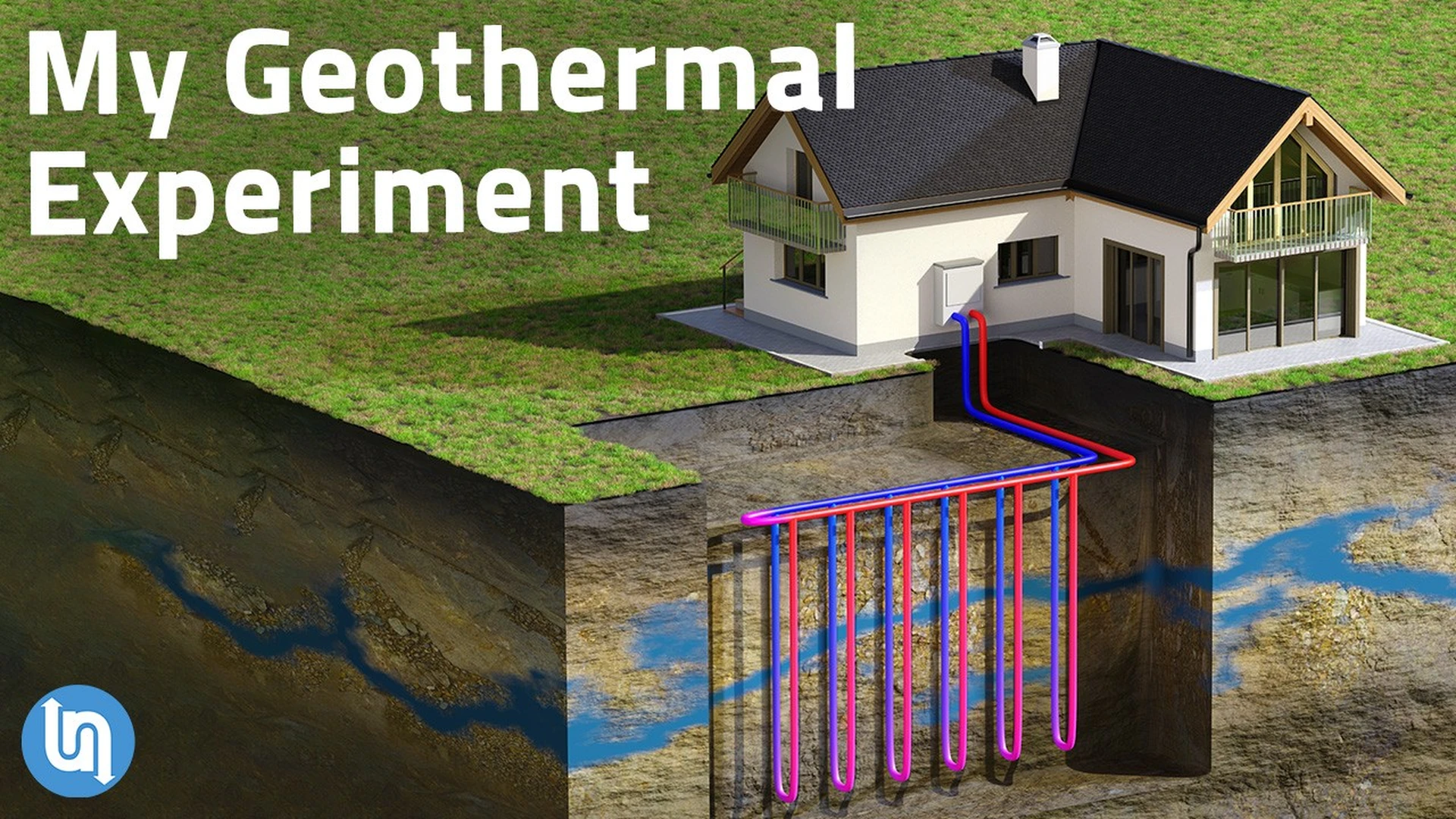
The ground loop is typically installed during the site work and foundation phase, before the home\'s slab or basement is poured. Horizontal loops can be trenched while excavation equipment is already on-site — saving significant mobilization costs. Vertical loops are drilled and grouted, then connected below grade.
Rough-In Phase: Indoor Equipment & Ductwork
During the mechanical rough-in, the geothermal heat pump is placed and connected to the ground loop piping. Ductwork is installed fresh, designed specifically for the geothermal system\'s airflow requirements — ensuring optimal efficiency and comfort in every room.
Final Phase: Commissioning & Testing
After the home is finished, the system is charged, tested, and commissioned. Flow rates, temperatures, and airflow are verified. The homeowner receives a thorough orientation on system operation, maintenance, and their smart thermostat controls.
For Builders & Developers
Adding geothermal to your new construction portfolio gives you a competitive edge and delivers measurable value to homebuyers.
Competitive Differentiation
Offer homebuyers something the competition doesn't — a truly energy-efficient home with geothermal. It's a powerful marketing advantage in today's eco-conscious market.
Simplified Mechanical Design
One geothermal heat pump replaces the furnace, air conditioner, and can supplement the water heater. Fewer outdoor units, fewer gas lines, simpler mechanical rooms.
Code Compliance & Green Certifications
Geothermal makes it easy to exceed building energy codes and achieve certifications like ENERGY STAR, LEED, NGBS, and Passive House — increasingly requested by buyers.
Bulk Installation Savings
Builders developing multiple homes can achieve significant economies of scale with shared drilling mobilization, bulk equipment purchasing, and standardized system designs.
New Construction Geothermal Costs
Building with geothermal from the start is the most cost-effective way to install a geothermal system. You avoid the disruption and added expense of retrofitting, and the cost is easily rolled into your construction mortgage.
- New construction cost: $15,000–$35,000 (20–30% less than retrofits)
- 30% federal tax credit — save $4,500–$10,500+
- No separate AC or furnace purchase needed — one system does it all
- Geothermal cost easily financed in the construction loan at low rates
- Monthly mortgage increase is often less than the energy savings
- Homes with geothermal appraise higher and sell faster
Cost Comparison: New Build
Conventional HVAC (Furnace + AC)
Geothermal (before tax credit)
Geothermal (after 30% credit)
Building a New Home? Go Geothermal.
Connect with geothermal contractors who specialize in new construction installations. Get the system designed right from the start.