
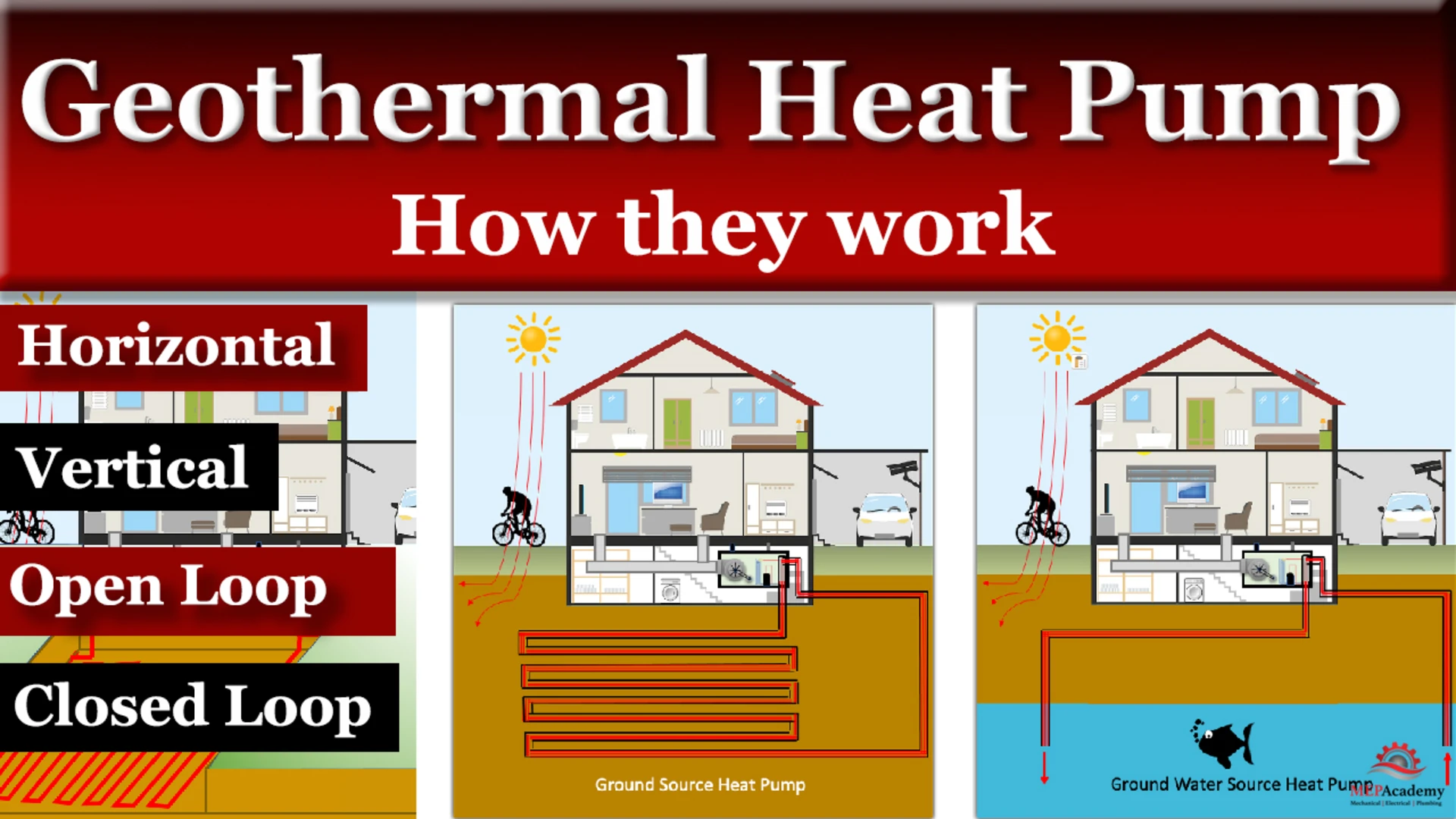
Choosing the Right Geothermal Contractor: What to Look For
Installing a geothermal heating and cooling system is a big investment in your home's comfort, efficiency, and overall value. With costs typically ranging from $18,000 to $45,000 before any incentives, picking the right contractor is more than just important—it's crucial for your project's success. A poorly designed or badly installed geothermal system can lead to underperformance, higher operating costs, frequent repairs, and it won’t deliver the decades of reliable service that a well-installed system can offer.
This comprehensive guide will take you through everything you need to know about choosing a geothermal contractor—from the essential certifications and experience you should look for, to key questions to ask, red flags to be aware of, and tips on how to evaluate and compare bids. By the end, you’ll feel confident and informed about who will install your geothermal system.
Why Contractor Selection Matters So Much for Geothermal
Installing geothermal systems is quite different from putting in a regular furnace or air conditioner. While any licensed HVAC technician can handle a standard system, geothermal setups need specialized knowledge that most HVAC pros might not have:
- Geoscience and soil analysis: You need to understand local geology, soil thermal conductivity, and groundwater conditions to design an effective ground loop.
- Loop field design: It’s all about calculating the right loop length, depth, spacing, and configuration based on your property and heating/cooling needs.
- Drilling or excavation: This involves managing the installation of boreholes or trenches, plus handling any unexpected underground surprises.
- Hydronic systems: Working with water-based heat transfer systems is quite different from standard refrigerant-based HVAC.
- Building science: You have to understand how the home's envelope, insulation, ductwork, and other factors influence system sizing and performance.
A contractor who's great at conventional HVAC might not have the specialized training and experience necessary for a successful geothermal project. That’s why geothermal-specific expertise should be your top priority when choosing an installer.
Essential Certifications to Look For
Certifications really give you a clear picture of a contractor's geothermal expertise and their commitment to quality work. Here are the key credentials you should keep an eye out for:
IGSHPA Certification
The International Ground Source Heat Pump Association (IGSHPA) provides the most recognized certifications for geothermal pros. An IGSHPA-certified installer has gone through specific training in designing, installing, and commissioning geothermal systems. This certification shows that the contractor has gone above and beyond standard HVAC licensing to gain specialized geothermal education. It should definitely be seen as a minimum requirement for any contractor you’re considering.
IGSHPA Accredited Installer
On top of basic certification, IGSHPA offers an Accredited Installer credential that requires extra coursework, hands-on experience, and an exam. Accredited Installers have proven a higher level of skill and dedication to geothermal quality. If you can find one in your area, they should definitely be at the top of your list.
Manufacturer Certifications
Top geothermal heat pump manufacturers — like WaterFurnace, ClimateMaster, Bosch, and Bryant — have their own dealer certification programs. A contractor who's a certified dealer for a major manufacturer has received specialized training on how to install, configure, and service their equipment. These certifications often come with perks like better warranties and technical support that non-certified installers just can’t provide.
State Licensing
Besides having geothermal-specific certifications, make sure the contractor has all the necessary state and local licenses for HVAC installation, plumbing (if it’s a water-based system), and well drilling (for open-loop or vertical closed-loop systems). Since licensing requirements can differ by state, it’s a good idea to check with your state's contractor licensing board to find out what's needed in your area.
Experience: How Much Is Enough?
Certifications show that someone knows their stuff, but experience really proves they can put that knowledge to work in the real world. Here’s what you should keep in mind when it comes to a contractor’s experience:
Minimum Experience Thresholds
We suggest going with a contractor who has at least 5 years of dedicated geothermal installation experience and has completed a minimum of 50 geothermal projects. This kind of experience indicates that the contractor has faced and tackled various challenges that can come up during geothermal installations — like unexpected soil conditions, tricky drilling, and complex ductwork changes, among other things.
Experience with Your Loop Type
If your property needs a specific loop setup (whether it's vertical, horizontal, pond, or open loop), make sure the contractor has plenty of experience with that particular type. A contractor who’s done 100 horizontal loops but only 2 vertical systems might not be the right fit if you need vertical bores. Drilling vertical boreholes, especially, requires special equipment and expertise that not every geothermal contractor has.
Local Experience
Geothermal installation heavily depends on local factors — like soil type, geology, groundwater levels, climate, and building codes. A contractor with extensive experience in your area will have valuable insights into local conditions that someone from out of town might not. They’ll know what to expect in terms of soil thermal conductivity, which drilling methods are most effective in your area's geology, and what permit requirements you might face.
References and Portfolio
Any reliable geothermal contractor should be able to provide at least 5–10 references from recent projects that are similar to yours. Don’t just gather the references — make sure to call them up. Ask about the installation process, how the contractor dealt with any issues, whether the system has lived up to their performance expectations, and if they’d hire the contractor again. Also, see if you can visit a completed installation to check out the contractor's work in person.
The Importance of Proper System Sizing
Getting the system sizing right is super important for how well your geothermal system performs, and it's where inexperienced contractors often trip up. Both oversizing and undersizing can lead to some serious issues:
Problems with Oversized Systems
- You’ll face higher upfront costs for equipment and a loop field that are bigger than what you actually need.
- Short cycling happens — the system switches on and off too often, which can wear it out faster and make you less comfortable.
- Humidity control can suffer in cooling mode because of those short run times.
- Overall efficiency takes a hit.
Problems with Undersized Systems
- The system struggles to keep your home at the right temperatures during extreme weather.
- You’ll see excessive runtime, which means higher energy bills and faster wear on your system.
- You might need supplemental heating (like electric resistance backup), which really cuts down on efficiency.
- This can lead to unhappy homeowners and even the need for a system replacement.
What Proper Sizing Looks Like
A qualified geothermal contractor should carry out a Manual J load calculation (or something similar) for your home before suggesting a system size. This thorough analysis takes into account your home's square footage, insulation levels, window types and orientation, air infiltration rate, local climate data, internal heat gains, and occupancy patterns. Be cautious of any contractor who just bases the system size on your home's square footage — that "rule of thumb" method isn't enough for geothermal systems and often results in improper sizing.
Also, it’s really important to size the ground loop correctly by using specialized software that takes into account soil thermal conductivity, the loop configuration, system capacity, and the balance of heating and cooling loads throughout the year. Sometimes, especially for larger or more complex setups, a soil thermal conductivity test might be suggested before you wrap up the loop design.
Questions to Ask Every Geothermal Contractor
When you're interviewing potential contractors, try using these questions to get a good feel for their qualifications, approach, and professionalism:
Technical Questions
- "What geothermal certifications do you hold?" — Ideally, they should have at least IGSHPA certification.
- "How many geothermal systems have you installed in the past 5 years?" — Aim for contractors who've done 50 or more installations.
- "What method do you use for sizing the system?" — Make sure they rely on Manual J or similar load calculations.
- "What loop configuration do you recommend for my property, and why?" — A solid contractor should be able to explain their reasoning clearly.
- "How do you determine the proper ground loop length?" — Look for references to soil conductivity testing or local data.
- "What equipment brands do you install, and are you a certified dealer?" — Certified dealers usually offer better installation and warranty coverage.
- "Will you perform a ductwork assessment before installation?" — Existing ductwork often needs tweaks for the best geothermal performance.
Business and Warranty Questions
- "What warranties do you offer on installation labor?" — Aim for at least 1–2 years on labor, with 5+ years being even better.
- "What is the equipment warranty?" — Most major manufacturers provide 5–10 year parts warranties, and some offer extended warranties through certified dealers.
- "Do you offer a performance guarantee?" — Some contractors promise that the system will hit specified efficiency levels.
- "How long have you been in business?" — A longer history often indicates stability and reliability.
- "Can you handle the entire project, including drilling, plumbing, electrical, and ductwork?" — Turnkey contractors can help minimize coordination issues.
- "What does your post-installation support include?" — Look for system commissioning, performance verification, and ongoing maintenance plans.
Red Flags to Watch For
If you notice any of these warning signs, it’s time to rethink your choice of contractor:
- No geothermal-specific certifications: Just having general HVAC experience isn’t enough for geothermal installation.
- System sizing by "rule of thumb": A contractor who sizes a system based only on square footage without doing load calculations is definitely cutting corners.
- Unwillingness to provide references: Reliable contractors take pride in their work and are more than happy to share references.
- Pressure to sign immediately: If you’re being pushed to make a quick decision, that’s a red flag for unprofessional practices.
- Bid significantly lower than competitors: While no one wants to pay too much, a bid that’s 30% or more below others might mean they’re skimping on design, materials, or installation quality.
- No written contract or warranty: Everything should be clearly documented — including the scope of work, equipment specifications, warranty terms, timeline, and payment schedule.
- Lack of insurance: Make sure the contractor has both liability insurance and workers' compensation. Geothermal installation involves heavy machinery and deep digging, so you want to be covered.
- No site visit before quoting: If a contractor gives you a quote without coming to your property to assess the conditions, they’re not taking your project seriously.
Getting and Comparing Multiple Bids
It's a good idea to get at least three bids from different qualified geothermal contractors. When you’re comparing these bids, don’t just focus on the final price — take a closer look at the overall value:
What to Compare
- Equipment brand and model: Are they suggesting similar equipment? Make sure to compare the efficiency ratings (COP and EER).
- Loop field design: Look at the loop type, length, depth, and materials. These factors can really impact long-term performance.
- Scope of work: What’s included in the bid? Does it cover things like ductwork modifications, electrical upgrades, thermostat installation, commissioning, and cleanup?
- Warranty coverage: Check the length of the labor warranty, the terms of the equipment warranty, and any performance guarantees offered.
- Timeline: How long will the installation take? A longer timeline isn’t always a bad sign — quick installations can sometimes lead to issues.
- Financing options: Many contractors provide financing, but the terms can vary quite a bit.
The Contract: What Should Be Included
Before you sign with any contractor, make sure the contract covers the following:
- A detailed scope of work that outlines all components and materials
- Specifics on the equipment brand, model, and capacity
- Ground loop specifications, including type, length, depth, and pipe material
- All warranty terms, including labor, equipment, and ground loop
- A project timeline with start and completion dates
- The total cost and payment schedule
- A change order process for any unexpected conditions
- Commitments for property restoration, like landscaping after the loop installation
- Procedures for commissioning and performance verification
- Who’s responsible for obtaining and paying for permits
Using Our Directory to Find Qualified Contractors
We created Geothermal.contractors to make it easier for you to find qualified geothermal installers. Our directory lists contractors from all over the United States who specialize in geothermal heating and cooling. You can search by your location, check out contractor profiles, and connect directly with installers nearby.
When you’re using our directory, we suggest reaching out to 3–5 contractors so you can compare their qualifications, methods, and pricing. Use the tips in this article to assess each contractor, and don’t be afraid to ask tough questions — a good contractor will appreciate it.
Conclusion: Take Your Time, Choose Wisely
Picking the right geothermal contractor is the most crucial choice you’ll make in your geothermal journey. A skilled installer will create a system that fits your home perfectly, install it with top-notch quality, and make sure it runs efficiently for years to come. On the flip side, going with the wrong installer could turn a game-changing investment into a frustrating setback.
So, take your time, do some digging, ask the important questions, and lean on the credentials and references instead of just the sales pitch. Your future self — relaxing in a cozy home while saving on heating and cooling costs — will definitely appreciate your thoroughness.
Ready to kick off your search? Check out our directory of certified geothermal contractors and take that first step toward a more efficient, comfortable, and sustainable home.
Looking for a Geothermal Contractor?
Browse our directory of verified geothermal professionals.
Find Contractors