
Geothermal Heat Pumps vs. Traditional HVAC: The Complete 2025 Comparison Guide
When it's time to upgrade your home's heating and cooling system, you’re making a big decision that’ll influence your comfort, energy bills, and environmental impact for the next couple of decades. Choosing between a geothermal heat pump system and a traditional HVAC system (that’s a furnace plus an air conditioner) means balancing initial costs with long-term benefits.
In this detailed comparison, we’ll take a close look at both systems across all the important factors — from upfront costs and efficiency ratings to comfort levels, maintenance needs, environmental effects, and total ownership costs over a span of 25 years.
How Each System Works
Traditional HVAC: Combustion + Compression
So, a traditional HVAC system usually has two main units that work together:
- Furnace (Heating): It burns natural gas, propane, or oil to create heat, which gets spread through ductwork by a blower fan. The combustion process turns chemical energy into thermal energy with a maximum efficiency of around 98% for high-efficiency condensing furnaces. Most furnaces you’ll find today run at about 80–92% efficiency.
- Air Conditioner (Cooling): This unit uses a refrigerant cycle to pull heat from the indoor air and release it outside through a condenser coil. You know that box with a fan that sits next to your house? That’s the outdoor condenser unit. Modern high-efficiency versions hit SEER2 ratings between 15 and 22.
Geothermal Heat Pump: Earth-Coupled Energy Transfer
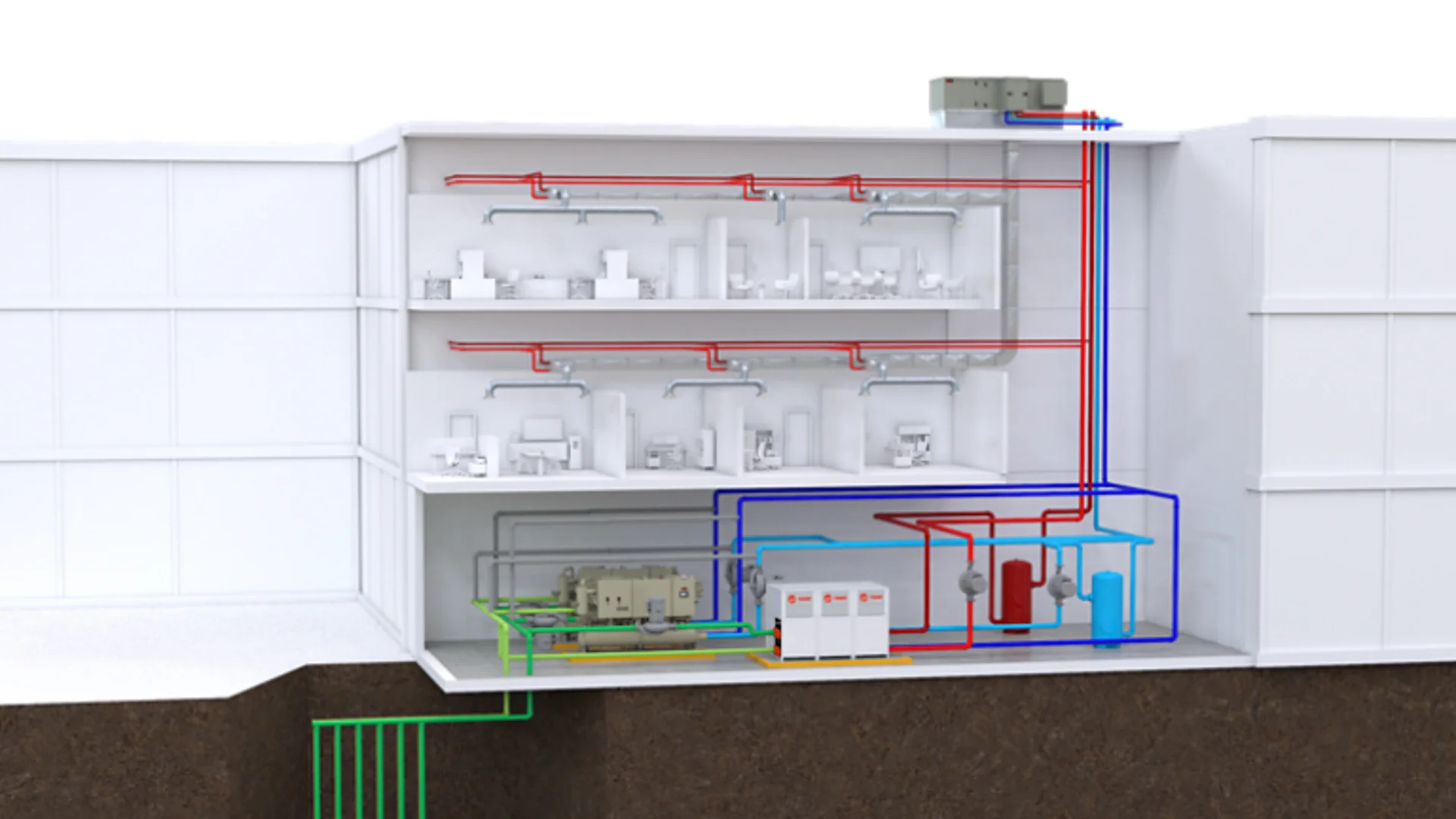
A geothermal system takes a completely different route. Instead of generating heat through combustion, it moves heat between your home and the ground using a ground loop—a network of underground pipes filled with a water-based solution.
- Heating Mode: The ground loop takes in heat from the earth (which stays at a steady 45–75°F year-round, depending on where you are) and concentrates it through a refrigerant cycle inside the heat pump. This method can provide 3 to 5 units of heating energy for every 1 unit of electricity used, which means it can achieve an impressive 300–500% efficiency.
- Cooling Mode: Here, the process flips. Heat gets pulled from your indoor air and sent into the ground through the loop system. This is way more efficient than just dumping heat into already hot outdoor air, like traditional AC units do.
Efficiency Comparison: The Numbers Don't Lie
When it comes to efficiency, geothermal systems really shine:
| Metric | Traditional HVAC | Geothermal Heat Pump |
|---|---|---|
| Heating Efficiency | 80–98% AFUE | 300–500% COP (3.0–5.0) |
| Cooling Efficiency | 14–22 SEER2 | 20–45 EER |
| Annual Energy Savings | Baseline | 30–70% less energy |
| Electricity for Heating | N/A (uses gas/oil) | 1 kWh input = 3–5 kWh output |
Here's the key takeaway: even a gas furnace that’s 98% efficient only converts 98% of the gas's energy into heat. On the other hand, a geothermal system with a COP of 4.0 provides four times more heating energy than the electricity it uses because it’s not just creating heat — it’s pulling it from the ground.
Real-World Performance in Extreme Weather
Traditional air-source heat pumps tend to lose efficiency when the outdoor temperatures drop, which is why you often see them paired with backup heating in colder climates. Geothermal systems don’t face this issue. The ground temperature below the frost line stays pretty steady year-round (usually around 50–55°F in most of the continental US), so geothermal heat pumps keep their high efficiency even during extreme cold spells when outdoor temperatures dip to -20°F or lower.
Likewise, on those blazing summer days when outdoor air temperatures hit over 100°F, traditional air conditioners struggle to get rid of heat into the already-warm air. Geothermal systems, however, continue to release heat into the cool ground effortlessly, ensuring they maintain peak cooling efficiency when you need it the most.
Cost Comparison: Short-Term vs. Long-Term
Upfront Installation Costs
| Component | Traditional HVAC | Geothermal |
|---|---|---|
| Equipment | $5,000–$12,000 | $3,500–$8,000 |
| Ground Loop | N/A | $10,000–$35,000 |
| Installation Labor | $3,000–$7,000 | $5,000–$12,000 |
| Total Before Credits | $8,000–$19,000 | $20,000–$55,000 |
| Federal Tax Credit (30%) | N/A | -$6,000 to -$16,500 |
| Net Cost | $8,000–$19,000 | $14,000–$38,500 |
Sure, geothermal systems do come with a higher upfront cost — usually 2 to 3 times more than traditional HVAC, even after factoring in the 30% federal tax credit. But you’ll make up for that initial expense through energy savings and lower maintenance costs over the system's lifespan.
Annual Operating Costs
This is where things really start to shift. For an average home of about 2,500 square feet:
- Traditional HVAC (gas furnace + AC): $1,800–$2,800/year in energy costs
- Geothermal heat pump: $800–$1,400/year in electricity
- Annual savings: $800–$1,500
25-Year Total Cost of Ownership
When we look at the costs for installation, energy use, maintenance, and equipment replacement over 25 years, the results really stand out:
| Cost Category | Traditional HVAC | Geothermal |
|---|---|---|
| Initial Installation | $14,000 | $35,000 |
| Federal Tax Credit | $0 | -$10,500 |
| Energy (25 years) | $56,250 | $27,500 |
| Maintenance (25 years) | $12,500 | $5,000 |
| Equipment Replacement | $14,000 (at year 15) | $0 (lasts 25+ years) |
| 25-Year Total | $96,750 | $57,000 |
So, over 25 years, the geothermal system ends up saving you about $39,750 — and the ground loop keeps running for another 25+ years with just a heat pump unit replacement needed.
Comfort and Performance Comparison
Heating Comfort
Geothermal heat pumps provide warmth at a lower supply temperature (around 95–105°F) compared to gas furnaces (120–140°F). While the air from a furnace might feel "hotter" when it comes out of the vents, the geothermal method offers more even and consistent temperatures across your home, avoiding those annoying temperature swings that come with furnace cycling. Many homeowners say that geothermal feels like "wrapping your house in a warm blanket" — it gives you that steady, enveloping warmth without those sudden hot blasts.
Cooling Comfort
When it comes to cooling, geothermal systems really shine. They release heat into the cool ground instead of the hot outdoor air, ensuring consistent cooling performance no matter how high the outdoor temperature goes. Plus, they do a much better job at dehumidifying compared to traditional AC units, which is a big plus in humid climates. Many of these systems even come with a desuperheater that provides almost free hot water during the cooling season.
Noise Levels
Thanks to the lack of an outdoor condenser fan, geothermal systems are incredibly quiet — you won't hear a peep from outside your home. The indoor heat pump runs at about the same noise level as a refrigerator. In contrast, traditional HVAC systems, with their outdoor condenser units, can create noticeable noise that might disturb you and your neighbors, especially during peak cooling times.
Maintenance and Reliability
Traditional HVAC Maintenance
- Annual furnace inspection and cleaning ($100–$200)
- Bi-annual AC service ($150–$300)
- Filter replacement every month ($10–$30/month)
- Cleaning the outdoor unit and checking the refrigerant
- Average annual maintenance cost: $400–$700
- Common repairs: blower motor ($400–$600), heat exchanger ($1,500–$3,000), compressor ($1,500–$2,500)
Geothermal Maintenance
- Annual heat pump inspection ($75–$150)
- Filter replacement every 3–6 months ($10–$30)
- Very few moving parts and no outdoor exposure to the weather
- Ground loop: no maintenance needed
- Average annual maintenance cost: $100–$250
- Common repairs: circulating pump ($200–$400), but it's rarely needed
Environmental Impact
If you're a homeowner who's mindful of the environment, geothermal really stands out:
- Carbon emissions: Geothermal systems generate zero emissions on-site. Even when you factor in the electricity needed, they can cut your carbon footprint by 50–75% compared to gas furnaces. And as the electrical grid moves towards renewables, this benefit just keeps getting better.
- No combustion: You won't have to worry about carbon monoxide risks, gas leaks, or combustion byproducts in your home.
- Refrigerant: Today's geothermal systems rely on sealed refrigerant loops that have a very low risk of leaks. Plus, the ground loops use eco-friendly, water-based solutions.
- Energy independence: When paired with solar panels, a geothermal system can achieve net-zero heating and cooling, giving you complete freedom from fossil fuels.
Lifespan Comparison
| Component | Traditional HVAC | Geothermal |
|---|---|---|
| Heating Equipment | 15–20 years | 20–25 years (heat pump) |
| Cooling Equipment | 12–15 years | Same unit as heating |
| Ground Loop | N/A | 50+ years (lifetime) |
| Total System Life | 12–20 years | 25+ years (50+ with loop) |
Which System Is Right for You?
Choose Traditional HVAC If:
- You’re on a tight budget and can’t handle the higher upfront cost
- You plan to sell your home within 5 years
- Your property has very limited space or tricky geology
- You’re renting or in a temporary living situation
Choose Geothermal If:
- You plan to stay in your home for 10+ years
- You want the lowest possible operating costs
- You currently use propane, oil, or electric resistance heating
- You’re building a new home (it’s easier and cheaper to install)
- You want to maximize comfort and minimize noise
- Environmental sustainability is important to you
- You want to take advantage of the 30% federal tax credit
So here’s the deal: geothermal heat pumps outshine traditional HVAC in almost every way, except for that initial cost. With the 30% federal tax credit, great financing options, and energy savings starting right away, geothermal really is an investment that keeps paying off for years to come.
Thinking about making the switch? Check out certified geothermal contractors in your area and request free quotes to see how geothermal can benefit your home.
Looking for a Geothermal Contractor?
Browse our directory of verified geothermal professionals.
Find Contractors