
Ground Source Heat Pump Maintenance Guide: Keep Your System Running Efficiently
Why Maintenance Matters for Ground Source Heat Pumps
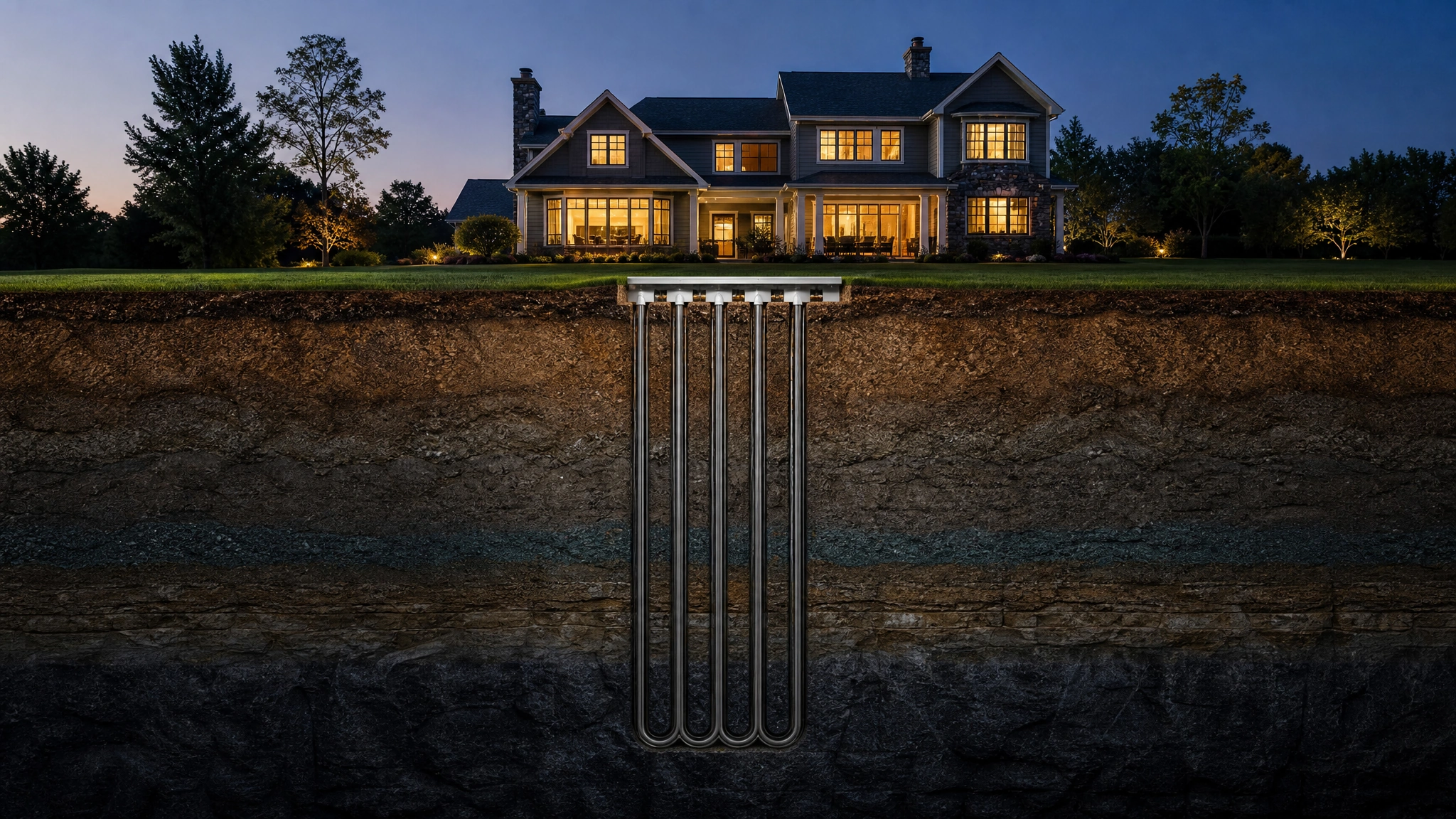
Ground source heat pumps (GSHPs) are some of the most dependable and long-lasting HVAC systems out there. With proper care, you can expect the heat pump equipment to last around 20–25 years and the ground loop to last over 50 years. But just because they're "low maintenance," it doesn't mean they don't need any upkeep. Regular preventive care is key to keeping them efficient, avoiding expensive breakdowns, and safeguarding your investment.
The good news is, GSHP maintenance is way less demanding than that of traditional HVAC systems. You won't have to deal with outdoor condenser coils to clean, combustion parts to inspect, or refrigerant lines exposed to the elements. However, the indoor components, loop system, and controls do need some periodic attention to ensure everything runs smoothly.
This comprehensive maintenance guide has all the info you need: annual maintenance checklists, seasonal tasks, common problems and troubleshooting tips, a look at DIY versus professional maintenance, component lifespans, and typical maintenance costs. Whether you're just starting your geothermal journey or you've been at it for a while, this guide will help you take care of your system and extend its lifespan.
For a bit of background on how your system operates, check out our guide on how geothermal heating and cooling systems work. If you’re looking for a qualified service technician, take a look at our geothermal contractor directory.
Taking care of your ground source heat pump is essential for keeping it running smoothly and efficiently. To help you out, here's a handy annual maintenance checklist that covers all the key areas you should focus on.
Most geothermal manufacturers and IGSHPA suggest getting a thorough annual inspection and service visit. So, what should a solid annual maintenance visit cover? Let’s break it down:
Indoor Heat Pump Unit Inspection
- Air filter inspection and replacement: Check and swap out air filters every 1–3 months based on how much you use the system and your home’s conditions. Clogged filters are the top reason for decreased efficiency and early equipment failure.
- Coil cleaning: Look over and clean the evaporator/condenser coil inside the heat pump cabinet. Dust and debris can really cut down on heat transfer efficiency.
- Blower motor and fan inspection: Make sure the blower motor’s working properly, lubricate the bearings if needed, and check the fan blades for any damage or debris.
- Electrical connections: Inspect all electrical connections to ensure they’re tight, check for corrosion, and look for any signs of overheating. Loose connections can waste energy and even pose fire risks.
- Capacitors and contactors: Test the starting and running capacitors; inspect contactors for any pitting or burning.
- Refrigerant charge: Check the refrigerant pressure and temperature to make sure it’s properly charged. Low refrigerant usually means there’s a leak that needs fixing.
- Compressor operation: Verify the compressor’s amperage draw and listen for any unusual sounds that might suggest wear or refrigerant problems.
- Reversing valve: Test the reversing valve to make sure it’s switching correctly between heating and cooling modes.
- Desuperheater (if equipped): Inspect the desuperheater coil, pump, and connections. Check that hot water production is happening as expected.
Loop System Inspection
- Loop pressure check: Make sure the closed loop system is maintaining the right pressure (usually 30–50 PSI for residential systems). A drop in pressure could indicate a leak in the loop piping.
- Antifreeze concentration: Test the antifreeze (propylene glycol or methanol) concentration in the loop fluid. Keeping the right concentration helps prevent freezing and corrosion. Most climates need a concentration of about 15–25%.
- Loop fluid pH: Test the loop fluid pH (ideally between 7.0–8.5). A low pH can mean acidic conditions that might corrode metal parts.
- Circulating pump operation: Check the pump’s operation, listen for any strange noises or vibrations, and inspect the pump seals for leaks.
- Flow rate verification: Measure the loop flow rate to make sure it matches design specifications (generally 2.5–3 GPM per ton of capacity).
- Entering and leaving water temperatures: Measure the loop fluid temperatures entering and leaving the heat pump to ensure proper heat exchange.
Controls and Thermostat
- Thermostat calibration: Check the thermostat’s accuracy and calibrate it if needed.
- Control board inspection: Look at the control board for error codes, fault history, and to make sure everything’s operating as it should.
- Auxiliary heat operation: Test the auxiliary/emergency heat to confirm that backup heating is ready when you need it.
- Defrost cycle (if applicable): Make sure the defrost cycle is working for systems with extra air-source components.
Ductwork and Distribution
- Duct inspection: Check accessible ductwork for any leaks, damage, or disconnections. Duct leaks can cut system efficiency by 20–30%.
- Supply and return air temperatures: Measure the supply and return air temperatures to ensure proper heat transfer across the coil.
- Airflow measurement: Confirm that total system airflow aligns with design specifications.
Seasonal Maintenance Tasks
Spring (Pre-Cooling Season)
Spring is a great time for your yearly professional maintenance visit since it gets your system ready for the cooling season before things heat up. Here are some important spring tasks to tackle:
- Replace air filters
- Clean the evaporator coil
- Check the refrigerant charge
- Test the cooling mode operation
- Verify loop pressure and antifreeze concentration
- Clean the condensate drain pan and line
- Test the thermostat and controls
- Inspect electrical connections
Summer (Cooling Season)
In the cooling season, it's important for homeowners to do monthly checks:
- Check and replace air filters every month (or as needed)
- Make sure supply and return vents aren’t blocked
- Keep an eye on system performance—if you hear unusual sounds, notice less cooling, or see higher energy bills, there might be an issue
- Check the condensate drain for blockages (a clogged drain can lead to water damage)
Fall (Pre-Heating Season)
Fall maintenance gets the system ready for the heating season:
- Replace air filters
- Test the heating mode operation
- Verify how the auxiliary heat operates
- Check loop pressure and antifreeze concentration before the freezing temperatures hit
- Inspect and clean the humidifier (if you have one integrated)
- Test carbon monoxide detectors (especially if you have gas appliances)
Winter (Heating Season)
During the heating season, keep an eye on how the system is performing:
- Check air filters every month
- Monitor the loop entering water temperature—if it dips below 25°F, the antifreeze concentration might not be enough
- Listen for any strange sounds from the heat pump
- Verify that the desuperheater is producing hot water (if it’s equipped)
Common Problems and Troubleshooting
Problem: System Not Heating or Cooling Adequately
Possible causes:
- A dirty air filter that's blocking airflow
- A low refrigerant charge
- Loop pressure loss due to a leak in the ground loop
- A failure in the circulating pump
- A malfunctioning thermostat
- A system that's too small for the current load
DIY checks: Start by replacing the air filter, checking your thermostat settings, and looking at the circuit breakers. If that doesn't fix the problem, it's best to call a certified technician.
Problem: High Energy Bills
Possible causes:
- A dirty air filter or coil that's cutting down efficiency
- A low refrigerant charge
- Duct leaks
- Excessive use of auxiliary heat (a sign that the geothermal system's struggling)
- Loop fluid temperature that's outside the optimal range
- A degraded antifreeze concentration
Action: First, check and replace the air filter. If your bills are still high, it’s a good idea to schedule a professional inspection to look at the refrigerant charge, loop conditions, and duct integrity.
Problem: Unusual Noises
Grinding or squealing: This might mean the blower motor bearings are worn. It's wise to schedule service quickly to avoid motor failure.
Gurgling or bubbling: This could indicate there's air in the loop system or low loop pressure. Be sure to check the loop pressure gauge.
Clicking or banging: This might suggest loose components, a failing capacitor, or compressor issues. It's a good idea to schedule a professional inspection.
Hissing: This could point to a refrigerant leak. Schedule immediate professional service to address it.
Problem: Loop Pressure Loss
If you notice a slow drop in loop pressure over several months or even years, it could mean there’s a leak in the ground loop piping. While this is pretty uncommon with high-quality HDPE pipe, it can happen at fittings or connections. Signs to look out for include a decrease in system efficiency, lower loop pressure readings, and in more serious cases, the system might shut down due to low-pressure faults.
Action: A qualified technician can run a pressure test to find the leak. Usually, ground loop leaks are fixed by digging up the affected area and replacing the damaged pipe or fitting. If you want to explore more about geothermal loop systems and how to maintain them, check it out!
Problem: Frozen Loop
In colder climates, if there’s not enough antifreeze in the mix, the loop fluid can freeze, which leads to system shutdown and might even harm the heat pump. Fortunately, modern systems come equipped with freeze protection controls that turn off the system before any damage happens.
Prevention: It’s a good idea to check the antifreeze concentration every year before winter hits. Make sure it’s at the level your installer recommended for your specific climate.
DIY vs. Professional Maintenance
Tasks Homeowners Can Do
- Air filter replacement: It’s a good idea to check this monthly and replace it every 1–3 months. This is the most crucial maintenance task, and you won’t need any special skills or tools.
- Thermostat programming: You can optimize your thermostat schedules for both efficiency and comfort.
- Vent inspection: Make sure the supply and return vents are open and not blocked.
- Visual inspection: Keep an eye out for water leaks around the unit, any unusual frost patterns, or visible damage.
- Loop pressure monitoring: If your system has a visible pressure gauge, check it occasionally and take note of any changes.
- Condensate drain: Once a year, pour a cup of diluted bleach down the condensate drain to avoid algae growth and clogs.
Tasks Requiring Professional Service
- Refrigerant charge testing and adjustment (this needs EPA 608 certification)
- Electrical testing and component replacement
- Loop fluid testing and antifreeze adjustment
- Coil cleaning with chemical cleaners
- Compressor and motor diagnostics
- Control board diagnostics and programming
- Loop pressure testing and leak detection
Component Lifespans
| Component | Expected Lifespan | Replacement Cost | Notes |
|---|---|---|---|
| Ground Loop (HDPE pipe) | 50+ years | N/A (rarely replaced) | Pretty much maintenance-free |
| Heat Pump Unit | 20–25 years | $3,000–$8,000 | As long as it's well-maintained |
| Compressor | 15–20 years | $1,500–$3,500 | It's the most costly part |
| Circulating Pump | 10–15 years | $300–$800 | May need to be replaced once |
| Blower Motor | 15–20 years | $300–$700 | Bearings might need some lubrication |
| Capacitors | 5–10 years | $50–$200 | They're cheap and often replaced |
| Air Filter | 1–3 months | $5–$30 | This is the most regularly maintained item |
| Thermostat | 10–15 years | $100–$400 | Smart thermostats can boost efficiency |
| Antifreeze (loop fluid) | 5–10 years | $200–$500 | Check it every year, replace if needed |
Annual Maintenance Costs
When it comes to maintenance costs, ground source heat pumps are a lot more budget-friendly than traditional HVAC systems. Here’s a quick breakdown of what you can expect:
| Maintenance Item | Frequency | Annual Cost |
|---|---|---|
| Professional annual inspection | Once/year | $150–$300 |
| Air filters | 4–12x/year | $40–$120 |
| Loop fluid testing | Once/year | Included in inspection |
| Antifreeze top-off (if needed) | As needed | $0–$100 |
| Minor repairs (average) | As needed | $100–$300 |
| Total Annual Average | $300–$700 |
In contrast, standard gas furnaces and central air conditioning systems usually run about $400–$900 a year for maintenance, not to mention higher energy bills. The geothermal system's lower maintenance needs really help keep its overall cost of ownership appealing.
Maintenance Service Contracts
Lots of geothermal contractors provide annual maintenance service contracts that cover a thorough inspection, filter replacement, and priority service for any repairs. These contracts usually run between $200 and $400 a year, giving you peace of mind, priority scheduling, and often discounts on parts and labor for repairs.
When you're checking out service contracts, keep an eye out for:
- A comprehensive inspection checklist (not just a simple "tune-up")
- Inclusion of loop fluid testing
- Priority scheduling for emergency service
- Discounts on parts and labor
- Transferable to new homeowners (which can boost resale value)
To find a qualified service technician, take a look at our geothermal contractor directory and search for contractors who have IGSHPA certification and a solid track record in service experience.
Maximizing System Efficiency Through Maintenance
Regular maintenance does more than just prevent breakdowns; it also plays a crucial role in your system's efficiency and energy bills. Research shows that a well-kept geothermal system can maintain 95–100% of its rated efficiency for its entire lifespan, while a system that's neglected might only run at 70–80% efficiency—leading to hundreds of extra dollars in energy costs each year.
Here are some key maintenance practices to help keep your system efficient:
- Keep filters clean: A dirty filter can cut airflow by 20–40%, making the system work harder and use more energy.
- Maintain proper loop pressure: Low loop pressure can lower the flow rate and heat exchange efficiency.
- Verify antifreeze concentration: The wrong concentration can affect heat transfer and potentially harm the system.
- Clean coils annually: Even a little dust on the coil surface can decrease heat transfer efficiency.
- Optimize thermostat settings: Consider using programmable or smart thermostats to minimize runtime when no one's home.
Extended Component Maintenance Deep Dive
Compressor Care and Longevity
Your geothermal heat pump’s compressor is the priciest part, so it’s crucial to protect it as part of your maintenance routine. Compressors can fail early due to a few avoidable reasons: liquid refrigerant slugging (which happens with low refrigerant levels or poor refrigerant management), overheating (often due to dirty coils or blocked airflow), and electrical problems (like voltage imbalances or loose connections).
Loop Fluid Management
To keep your closed loop system running smoothly and to avoid corrosion, it's important to regularly test and maintain the heat transfer fluid. Here are some key things to keep an eye on:
- Antifreeze concentration: Make sure to test this annually with a refractometer. For most climates, you should aim for a propylene glycol concentration of 15–25%. Going lower can hurt efficiency, while higher levels aren't needed and can actually hinder heat transfer.
- pH level: Try to keep this between 7.0 and 8.5. If the pH dips below 7.0 (which means it’s too acidic), it can lead to corrosion of metal parts, including the heat exchanger. In that case, you’ll need to flush and recharge the loop fluid.
- Inhibitor concentration: Many fluid formulations come with corrosion inhibitors that can wear off over time. It’s a good idea to check these levels annually and top them off if needed.
- Biological contamination: Though it’s rare, biological growth can happen in loop systems. If you notice any odd smells or discoloration in the fluid, it’s best to get it tested and treated.
Ductwork Maintenance
While ductwork maintenance isn’t just for geothermal systems, it’s crucial for keeping your entire system efficient. Research shows that homes typically lose about 20–30% of conditioned air due to duct leaks. For a geothermal system that’s working at 400% efficiency, those leaks can drop the delivered efficiency to around 280–320%—still better than traditional systems, but far from what it could be.
Every 5–10 years, think about having a professional inspect and seal your ductwork. One effective method is Aeroseal duct sealing, which can seal leaks from the inside without needing access to every duct section. You’ll usually see a return on your investment in just 2–4 years through energy savings.
Smart Thermostat Integration
Modern smart thermostats can really boost the efficiency of geothermal systems and give you helpful diagnostic info. When you're shopping for one, make sure to choose a thermostat designed specifically for geothermal systems that supports:
- Multi-stage operation (since geothermal systems usually have 2 stages of capacity)
- Auxiliary heat lockout (this keeps auxiliary heat from kicking in when geothermal can handle the load)
- Energy monitoring and reporting
- Remote access and alerts for any system faults
- Integration with utility demand response programs
Brands like Ecobee, Honeywell, and WaterFurnace's IntelliZone offer thermostats that are optimized for geothermal systems. Upgrading to a smart thermostat can enhance system efficiency by 5–15% and give you an early heads-up on potential issues.
When to Call a Professional
While you can tackle a lot of maintenance tasks on your own, there are some situations that really need a pro's help:
- Your system isn’t heating or cooling, even with clean filters and the thermostat set right
- You hear strange noises (like grinding, hissing, or banging)
- There’s ice building up on the unit or loop connections
- Water’s leaking around the unit
- Your energy bills have jumped significantly without a clear reason
- You see error codes or warning lights on the control panel
- Loop pressure is below the normal range
If you need help choosing a qualified service technician, check out our guide on choosing the right geothermal contractor.
Warranty Coverage and What It Means for Maintenance
Knowing your geothermal system's warranty coverage is key to planning maintenance right and making sure you don’t accidentally void it with improper service. Most geothermal heat pump manufacturers provide tiered warranty coverage:
- Compressor warranty: Usually 5–10 years (some manufacturers even offer 10–12 years if you register your installation and keep up with annual maintenance)
- Parts warranty: Generally, 5 years on all parts
- Labor warranty: Typically 1–2 years (this can vary by contractor)
- Ground loop warranty: Many loop pipe manufacturers provide 50-year warranties on HDPE pipe
Here are some key things to keep in mind about your warranty:
- Make sure to register your system with the manufacturer within 30 days of installation to get full warranty coverage
- Keep track of all maintenance visits—some manufacturers need documented annual maintenance to keep extended warranty coverage
- Always use manufacturer-approved refrigerants and loop fluids
- Have all service work done by qualified technicians—DIY repairs could void your warranty coverage
Preparing for System Replacement
No matter how well you maintain your geothermal heat pump, it’ll eventually need to be replaced—usually after about 20 to 25 years. By planning for this ahead of time, you can avoid a lot of hassle and save some cash:
- Budget for replacement: Try to set aside $200–$400 each year in a dedicated maintenance and replacement fund. After 20 years, you'll have between $4,000 and $8,000 ready for a new heat pump unit.
- Preserve the ground loop: The ground loop is the priciest part to replace. Keeping up with proper maintenance (like making sure the antifreeze concentration and pH levels are right) will help protect this asset, which can last over 50 years.
- Plan for technology upgrades: When you’re ready to replace the heat pump, think about upgrading to a more efficient model. Geothermal technology has come a long way in the last 20 years, and a new unit could be 20–30% more efficient than your old one.
- Consider the full system: While you're replacing the heat pump, take a moment to assess if your distribution system (like ductwork and fan coils) needs an update too. A comprehensive upgrade can really enhance the efficiency of your new equipment.
Conclusion: Protecting Your Geothermal Investment
A ground source heat pump is one of the most durable and efficient HVAC systems out there, but it does need regular maintenance to keep delivering on its promise of 20–25 years of reliable, efficient performance. The great thing is, GSHP maintenance is pretty straightforward, budget-friendly, and mostly predictable.
By sticking to the annual maintenance checklist in this guide, checking your filters monthly, and scheduling a professional inspection each year, you can expect your geothermal system to run at peak efficiency and reliability for its entire lifespan—giving you the energy savings and comfort you were hoping for.
Check out our contractor directory to find a certified geothermal service technician, and dive deeper into how your geothermal system works along with the various loop system types to get a better grip on your system's maintenance needs.
Looking for a Geothermal Contractor?
Browse our directory of verified geothermal professionals.
Find Contractors